









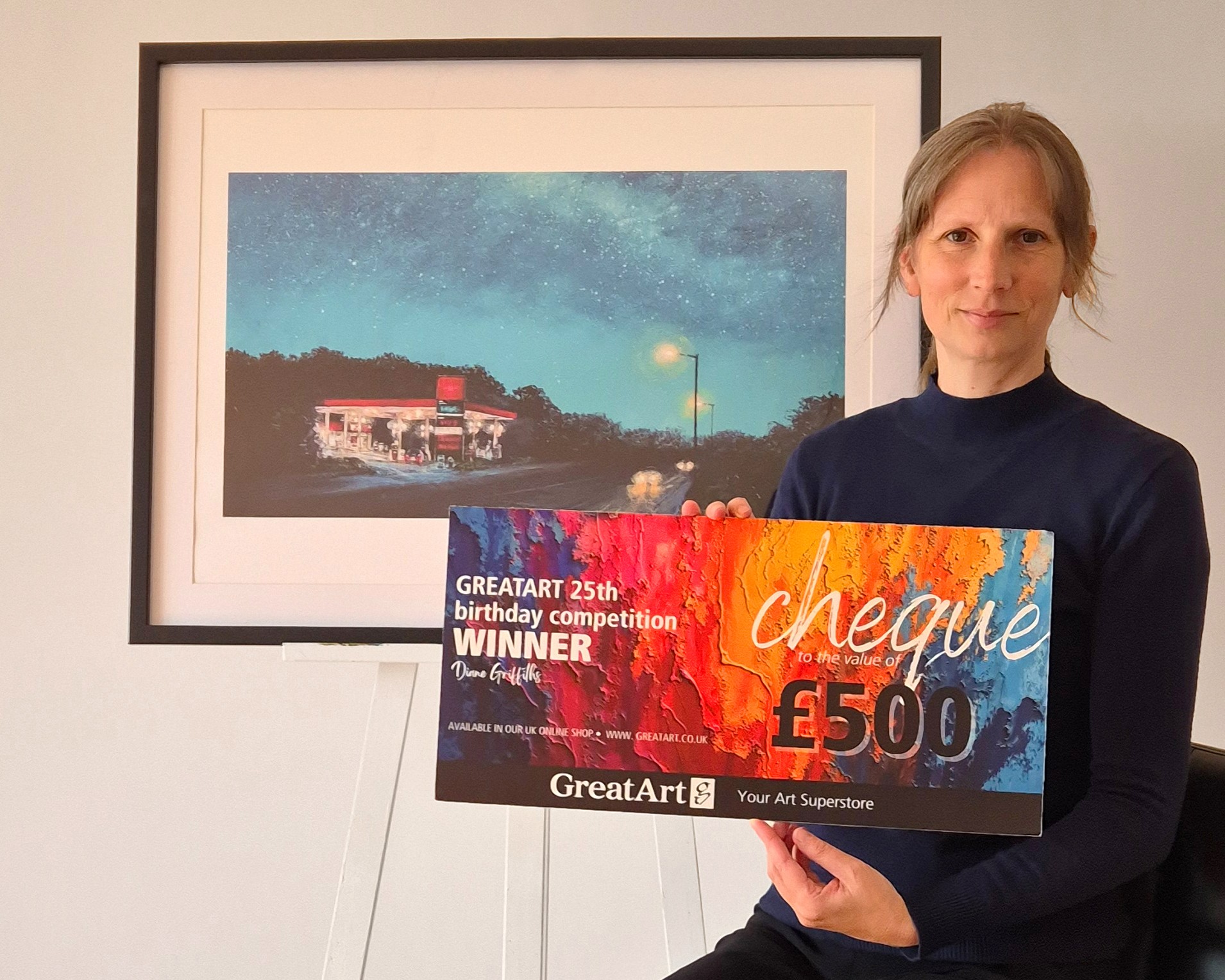
To celebrate our 25th birthday, we invited artists to share their creativity with us as part of our birthday competition. We were delighted to receive such a diverse and inspiring collection of submissions, each offering a unique perspective and showcasing the talent of the artists who took part.
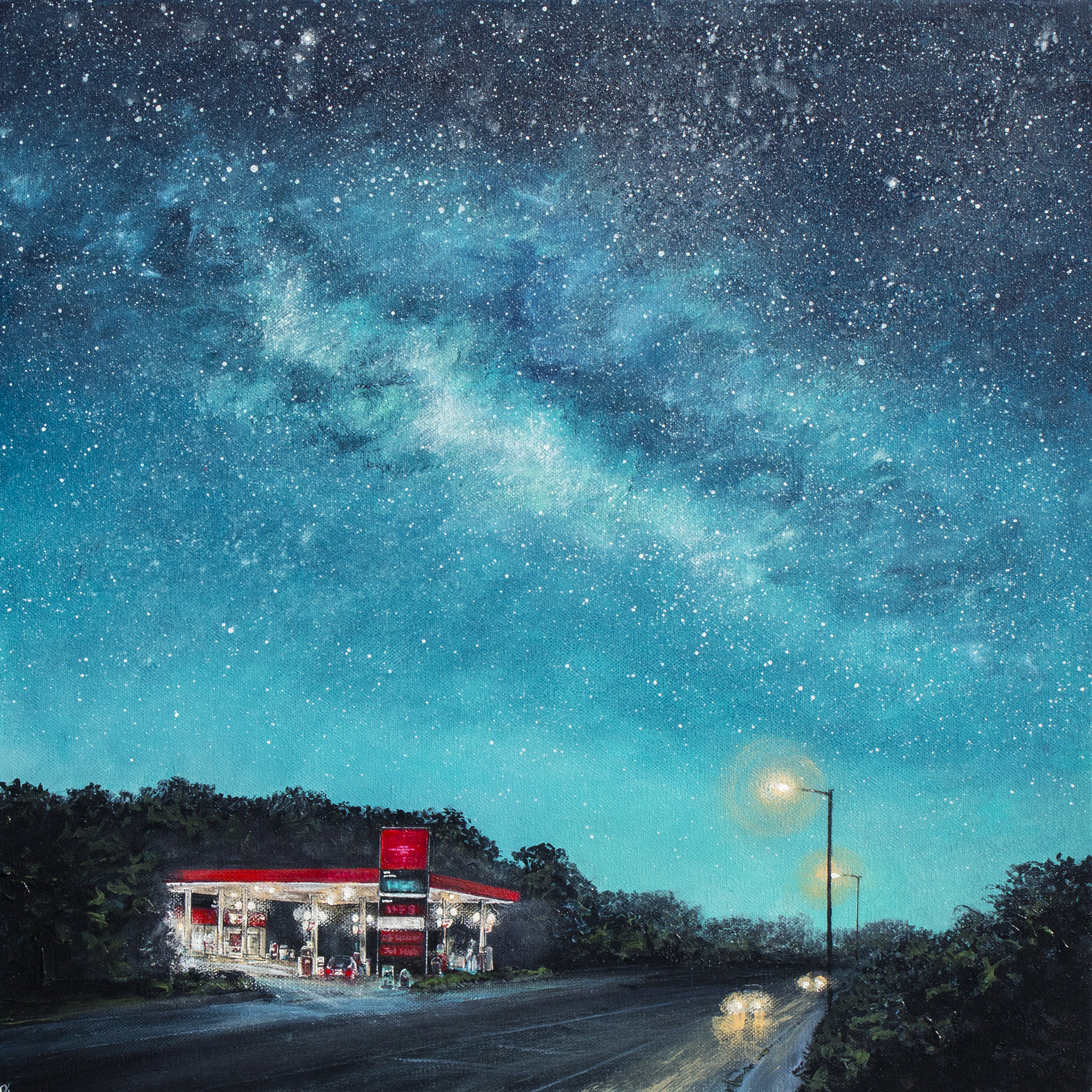
Following the competition, our team member Luke caught up with our winning artist, Diane Griffiths, to find out more about the person and creative process behind the winning piece, 'Driving Home'. In the interview, Diane talks about their inspiration, their approach to creating the work, and what winning the competition meant to them.
We felt it only right that we asked 25 questions to stay on theme!
We would also like to thank everyone who took time to enter the competition, the level of skill was totally mind-blowing! You are all winners! Make sure you keep up your creativity and please make sure you enter any future competitions.

Luke - Congratulations on winning! How
did you feel when you found out your painting had been chosen as the winner?
Diane - I was absolutely thrilled! I
knew the announcement was coming that day and had been checking all morning,
but by late morning I’d convinced myself that I hadn’t won. When the email came
through at first I assumed it was a general email telling me someone else had
won, so I actually had to read it twice!
Winning through a public vote makes it feel like a real group effort. So
many people and communities have supported my work, and being able to go back
and tell them, "We did it!" is incredibly special. More than
anything, the win reminded me just how much support there is for my art, and
that means a great deal to me.
Luke - What inspired you to create this particular
painting?
Diane - I'd already developed an
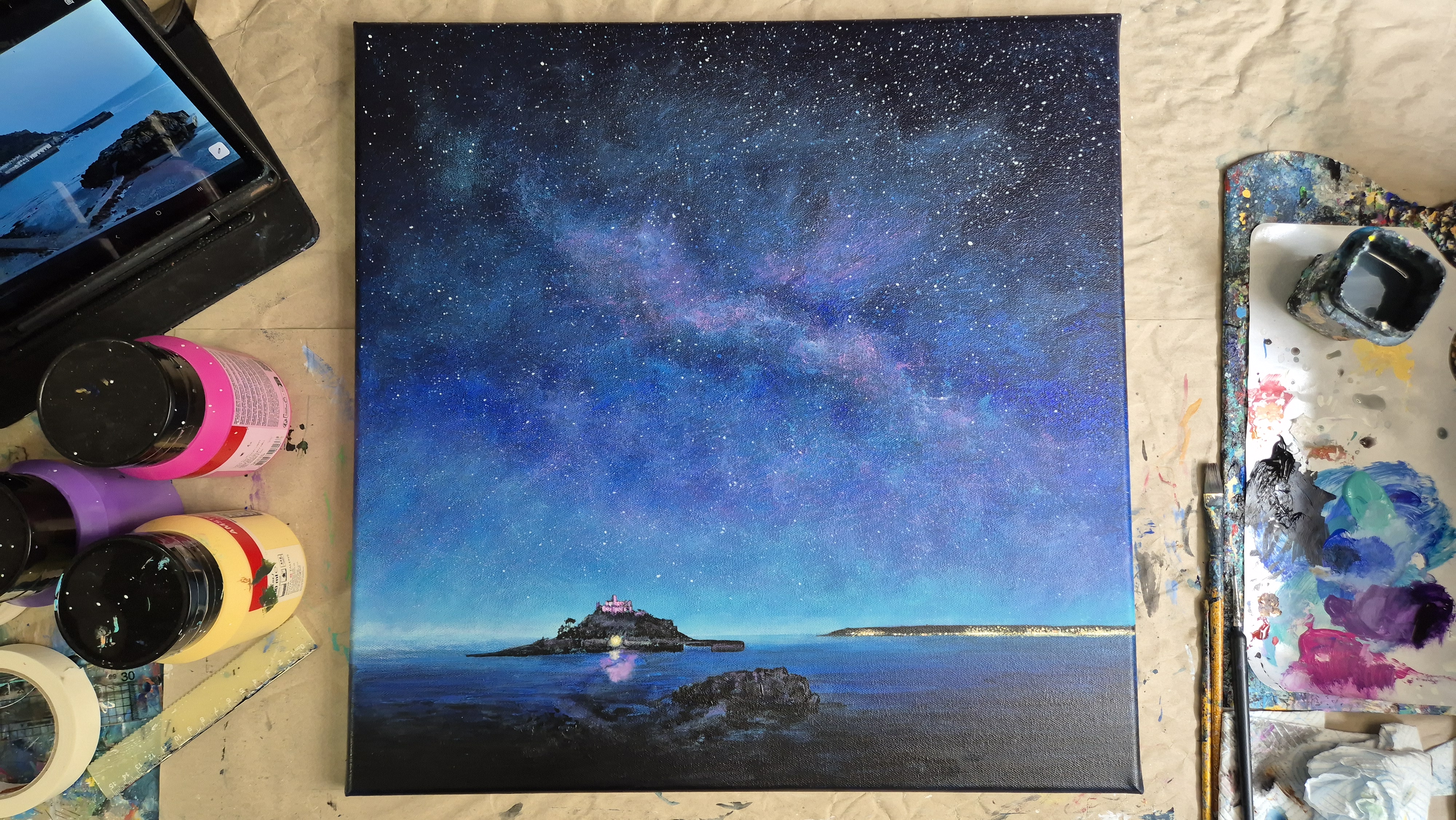
interest in painting at night and exploring how natural and artificial light
can transform a landscape. I'd painted some conventionally beautiful locations,
including St Michael's Mount, but I began to wonder whether I could take
somewhere much more ordinary and make people stop and look at it differently.
Luke - Could you tell us a little about
the scene we’re looking at and what it means to you?
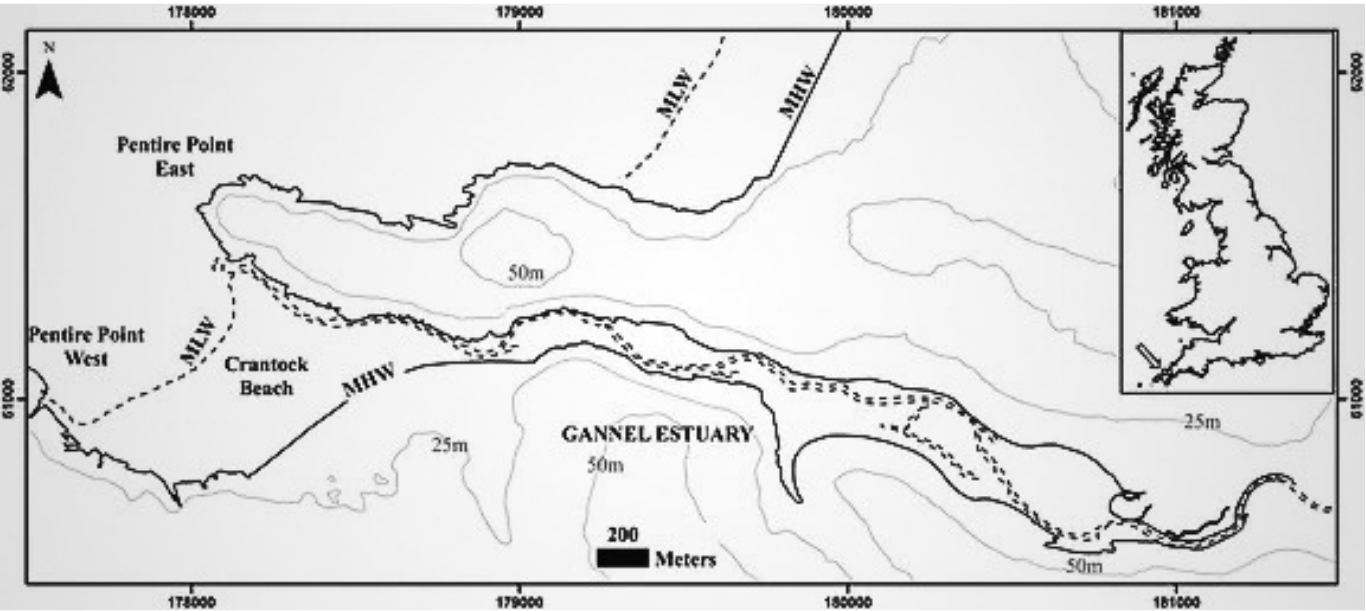
Diane - The scene is the Texaco garage beside the Gannel estuary on one of the main routes into Newquay. Thousands of people probably pass it without giving it much thought, but for me it's firmly associated with coming home. When I see those lights, I'm nearly home
.png)
Luke - What was it about this night time
setting that appealed to you as an artist?
Diane - I love the way night simplifies
the landscape. Details and distractions disappear into darkness, while glowing
windows, streetlights and signs create focal points that simply aren't there
during the day. I've always found editing a landscape quite difficult, so
painting at night actually helped me learn what to leave out and let colour do
more of the talking.
Luke - The night sky is such a striking
part of the painting — what inspired you to make the stars and sky such a
prominent feature?
Diane - I've always loved photographs
of the Milky Way, but I've never had the patience required to capture those
incredible images myself, so I thought perhaps I could try to do it in paint
instead!
Luke - Was there a particular place,
memory or experience that influenced the scene?
Diane - The garage genuinely is one of those landmarks that tells me I'm
nearly home, but you don't need to have visited that exact Texaco garage to
understand the feeling. I think most of us have had our own 'Texaco moment'; a
familiar building, sign or set of lights seen through the car window that tells
us we're nearly home.
Luke - How did you approach creating
the contrast between the dark landscape and the bright lights of the petrol
station?
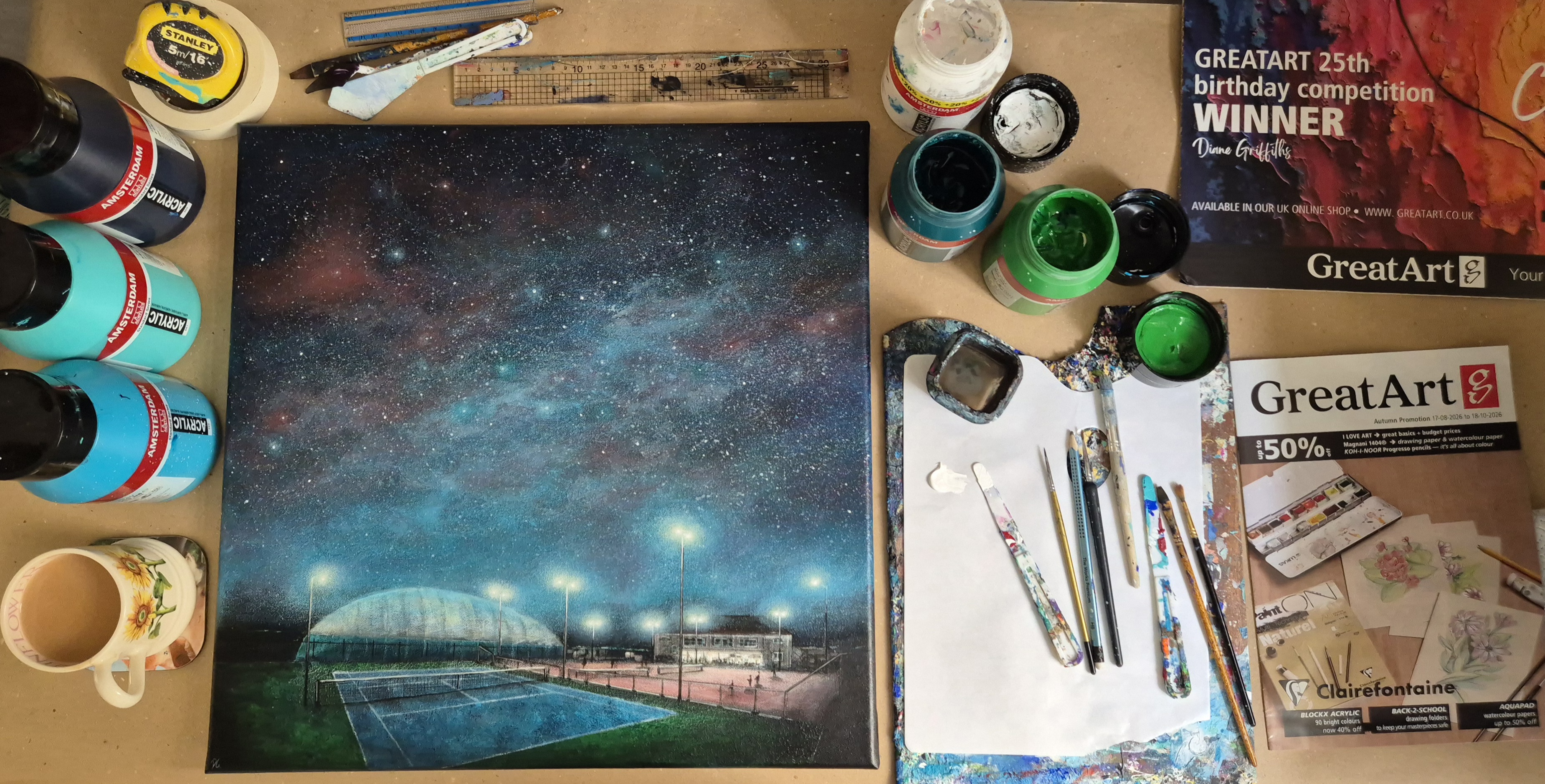
Diane - With Driving Home, I
could allow much of the surrounding landscape to disappear into deep blues and
shadow, which made the illuminated petrol station a natural focal point.
The strong red and white of the Texaco canopy against that darkness was
one of the things that attracted me to the scene in the first place. Rather
than trying to paint every object around it, I concentrated on the effect the
light was having on the space, the glow around the building and the way it
began to illuminate the darkness.
Luke - What are your go-to art
material brands? Do you have any favourites?
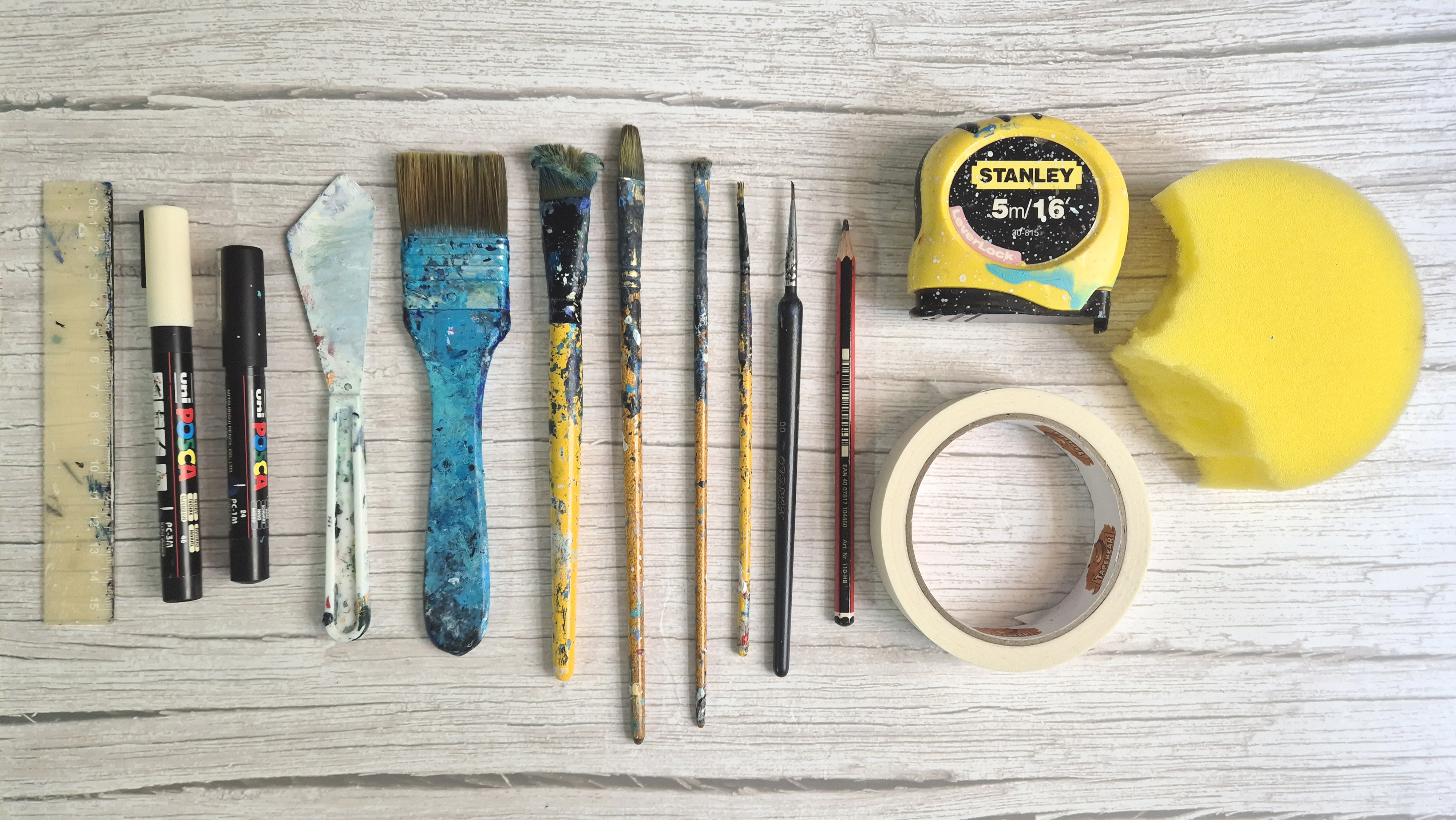
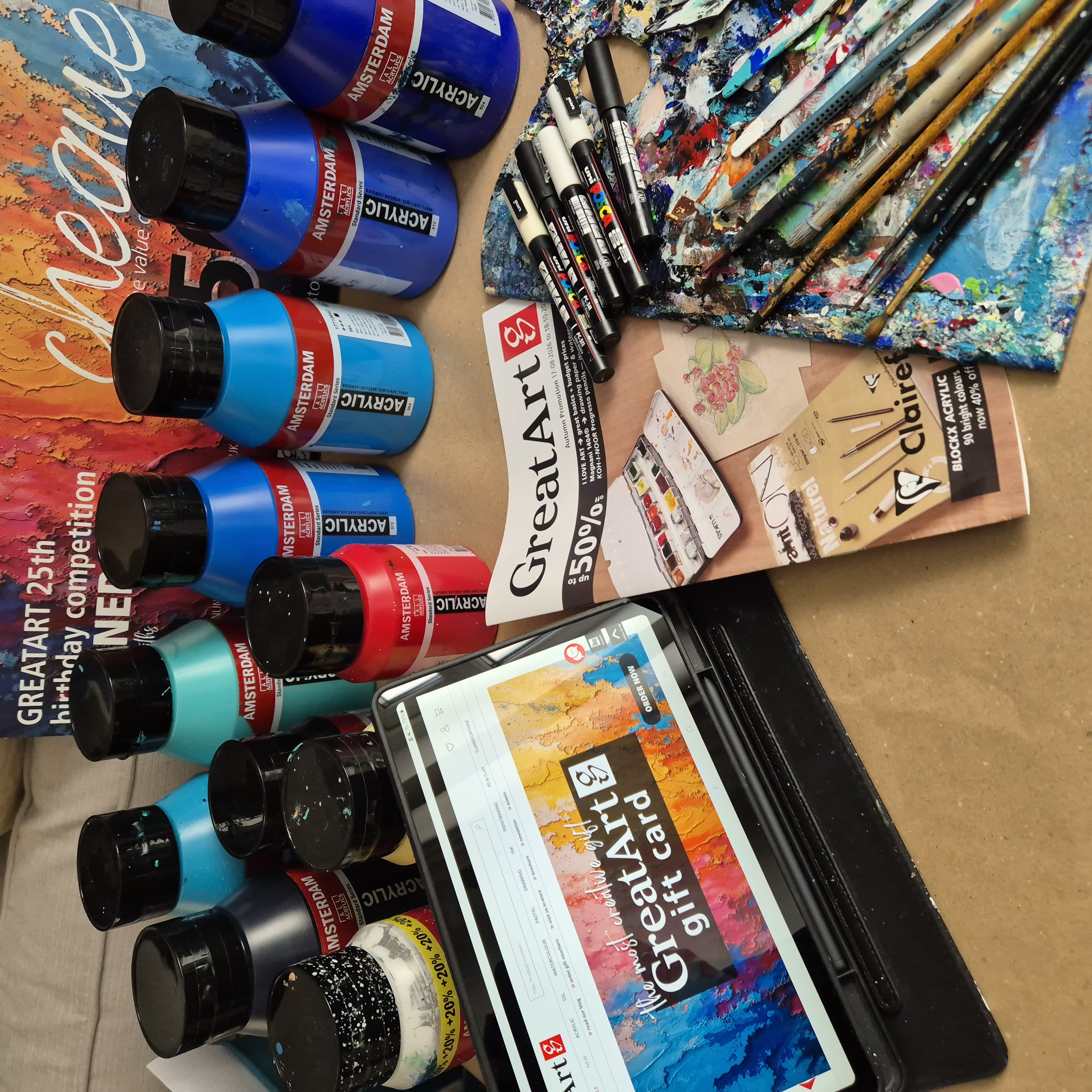
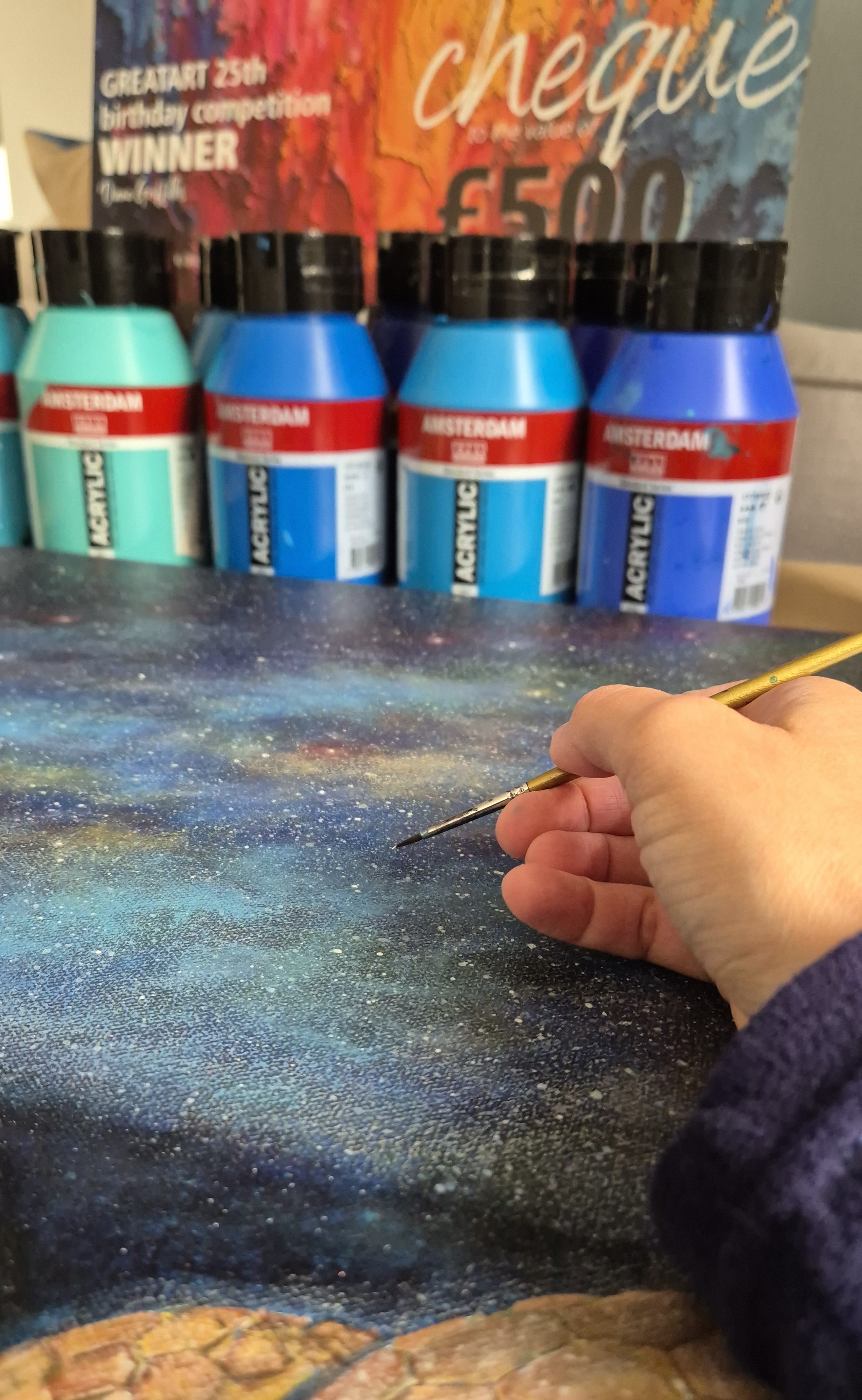
Diane - I mix brands quite freely, but
probably around 90% of my acrylic paint is Amsterdam. I use a fairly consistent
palette of favourite colours, and their larger pots are affordable enough that
I don't feel precious about using plenty of paint, which suits the way I work.
For canvases, I almost always work square and my go-to size is 50×50cm.
I regularly use GreatArt's Gerstaecker Studio 2 stretched canvases. I've become
a convert to Posca pens, and often use them during the early stages of a
painting to establish composition or introduce straight lines over a dark
background. Most of those marks eventually disappear beneath paint, but they're
a really useful part of my process.
Luke - What type of brushes do you use, do you
find some are better than others for different parts of the painting?
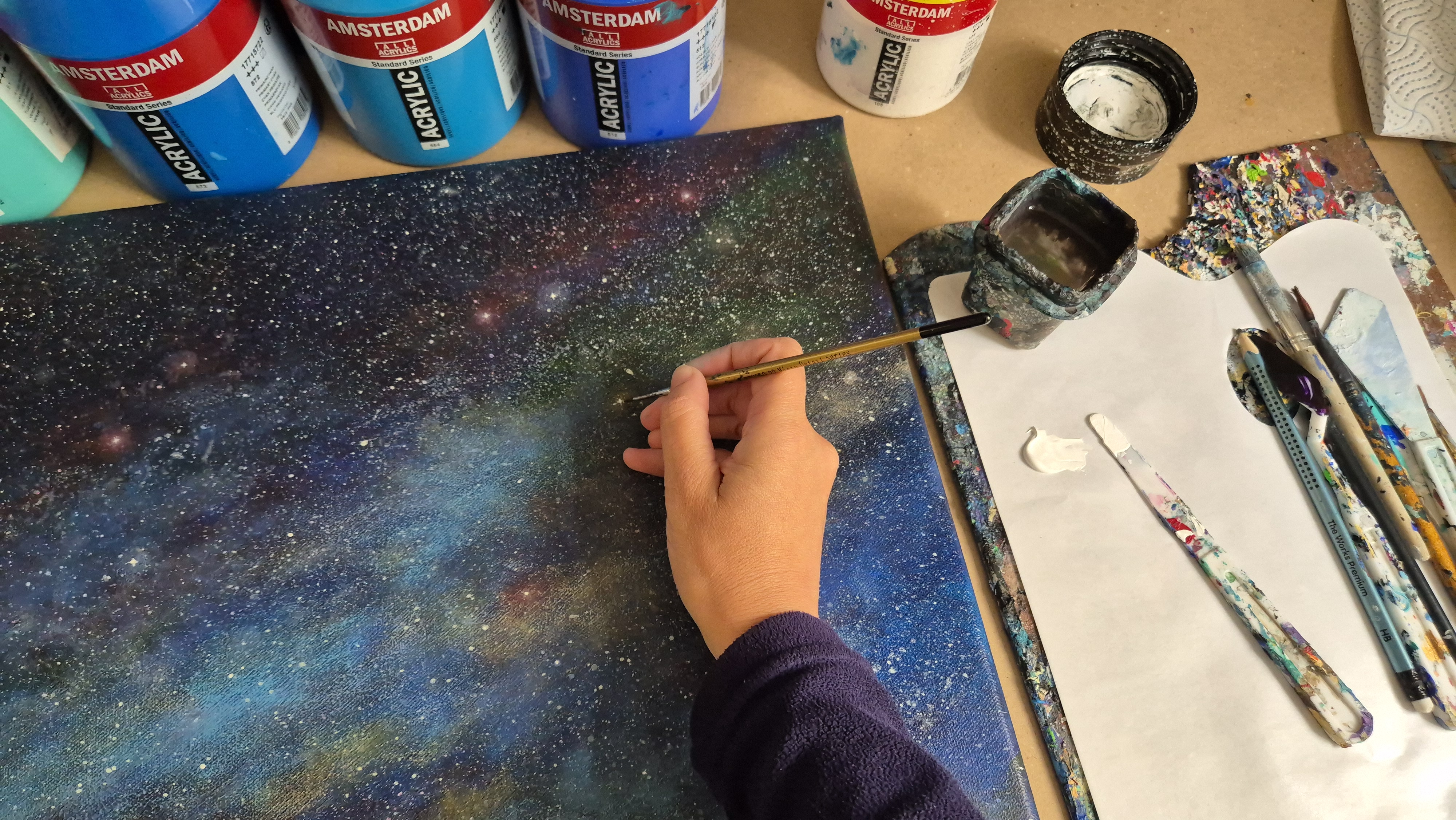
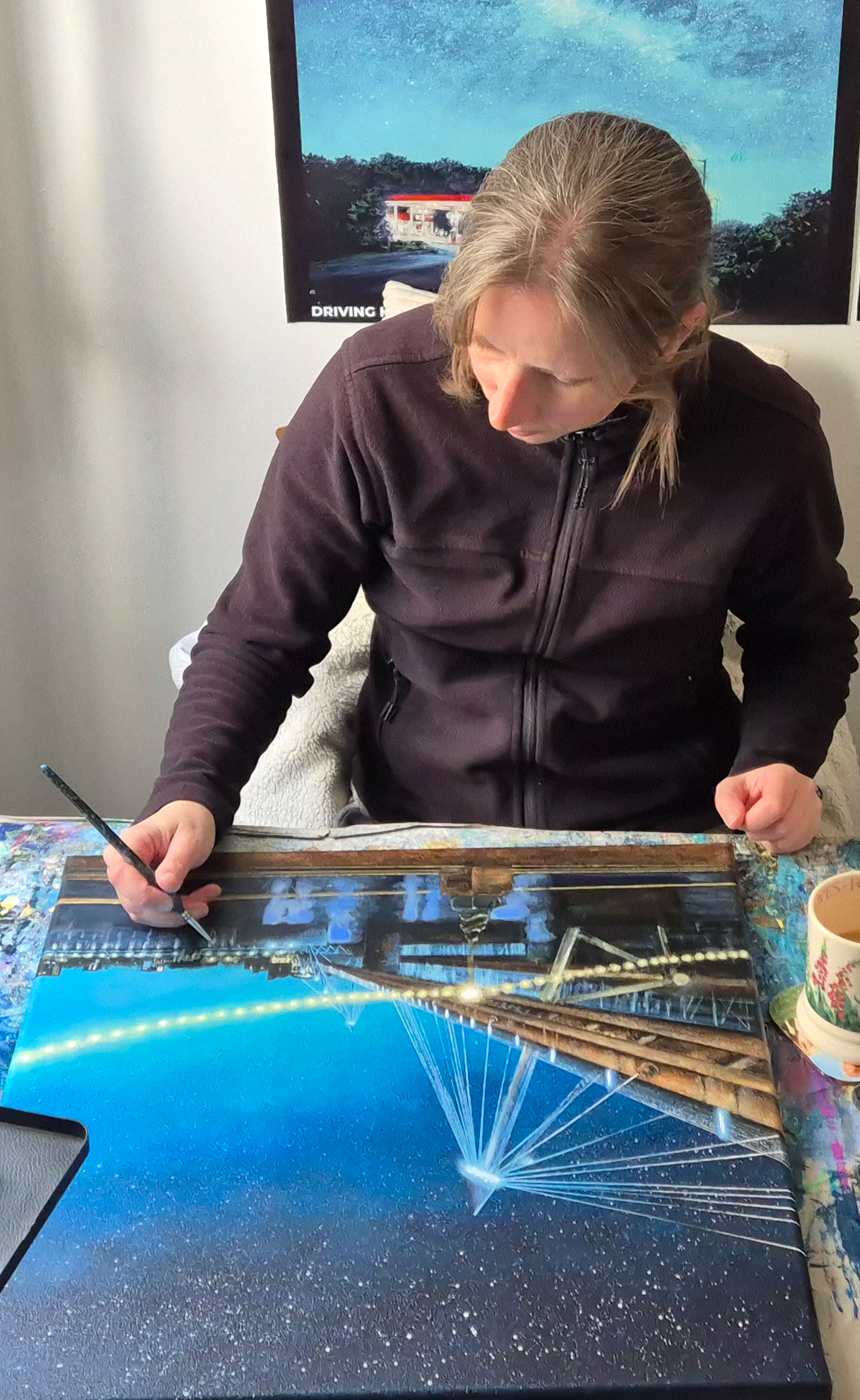
Diane - I'm a terrible advertisement for expensive brushes because I'm really not precious about them! I use large brushes and sponges for skies and broader areas, then medium and smaller worn brushes for dry-brushing and creating broken marks and texture. That technique isn't particularly kind to brushes, so I get through quite a few! But there is one thing I can't be without: small detail brushes. I always keep a supply because eventually I'll need one for the focal-point details and those tiny areas of bright light.
Luke - How long did the painting take
you to complete, from the initial idea to the finished piece?
Diane - This is always the question I
struggle to answer! I fit painting around work and everyday life, so a painting
can typically take around a month, although I usually have several on the go at
once. With Driving Home, there was also a lot of time spent simply
looking at it and wondering whether I'd finished. I've since learnt that
stepping away, looking and thinking is just as much part of making a painting
as the time spent holding a brush.
Luke - Was there a particular part of the
painting that you found especially challenging to create?
Diane - There were several! The sky was fun but still relatively new
territory for me, so I kept questioning whether it felt convincing enough. The
cars were tricky too, I'm always slightly worried mine will look like cartoon
cars!
Surprisingly, I struggled most with the foreground. Initially I tried to
include too much information, but eventually realised I needed to pull it back
into darkness so that the illuminated garage could really stand out.
Luke - Do you have a favourite detail or part
of the painting?
Diane - Definitely the garage itself. I love the sky, but I'd painted dramatic skies before. What surprised me was looking at the finished painting and thinking, I've actually painted a beautiful petrol station was particularly proud of that
Luke - The reflections and lights on the road add a wonderful sense of
atmosphere. How did you go about capturing those?
Diane - I create wet reflections by diluting acrylic paint almost like
watercolour and building it up in thin layers. I repeat colours from the main
light sources so that everything feels connected, but I also let the water and
pigment behave a little unpredictably as they dry. That creates soft edges and
variations that would be difficult to reproduce deliberately with a brush.
It's something I've embraced much more as my work has developed: control
the important decisions, but give the materials enough freedom to surprise you.
Luke - Did you have a clear composition in
mind before you started, or did the painting evolve as you worked on it?
Diane - I had a very clear composition in mind and took several
reference photographs, but despite all that planning I actually had to restart
the painting! I'd made the garage too large and hadn't scaled the composition
correctly. I got quite a way into it before admitting it simply wasn't working
and beginning again. Sometimes having a clear idea doesn't necessarily mean
getting it right the first time!
Luke - What do you hope people feel
when they look at this painting?
Diane - I'd love it to make people do a
little double-take. First, perhaps they're drawn in by the colour, lights and
starry sky, and then they realise they're actually looking at a painting of a
petrol station!
After that, I hope there's a sense of recognition. It might remind them
of driving home after work, setting off on holiday, stopping during a long
journey or simply seeing that familiar landmark that tells them they're nearly
home.
Luke - Does the finished painting look
the way you imagined it would when you first had the idea?
Diane - Surprisingly, yes! My paintings
often go on quite a visual journey as I work and I don't always know exactly
what the finished piece will look like when I begin. Driving Home was
different, I had a very clear image in my head from the start.

.jpg)
Luke - Have you entered many art competitions before, and what made you decide
to enter our 25th birthday competition?
Diane - I've entered a number of
competitions over the years, although I've become much more selective about
which ones I enter. GreatArt immediately caught my attention because I already
shop with you, and a £500 art materials voucher is a pretty irresistible prize
for an artist!
Luke - What does winning a competition
celebrating our 25th birthday mean to you?
Diane - It's really special to have
been part of GreatArt's 25th birthday celebrations. There's something lovely
about a painting created using materials bought from GreatArt ultimately
winning me more materials to make the next paintings, the £500 voucher will
definitely be reinvested into my work!
Creative careers can involve a lot of uncertainty, so moments of
positive reinforcement really matter. They give me confidence that the ideas
behind my work continue to connect with people and help maintain the momentum
to keep developing them.
Luke - Do you have a particular artist,
artistic style or subject matter that has influenced your work?
Diane - Edward Hopper is probably the
artist people most often see reflected in my work, and I don't disagree. I've
always been drawn to the way he used artificial light, architecture and
seemingly ordinary moments to create atmosphere.
Photography has probably influenced my way of seeing just as much as
painting. My early experiments with long-exposure night photography taught me
that a scene can contain far more colour and light than the eye initially
registers. That's an idea that has stayed with me, not just noticing the light
itself, but how it moves and interacts with its surroundings.
.png)
Luke - What are you working on at the moment,
and is there a particular subject or style you’d like to explore next?
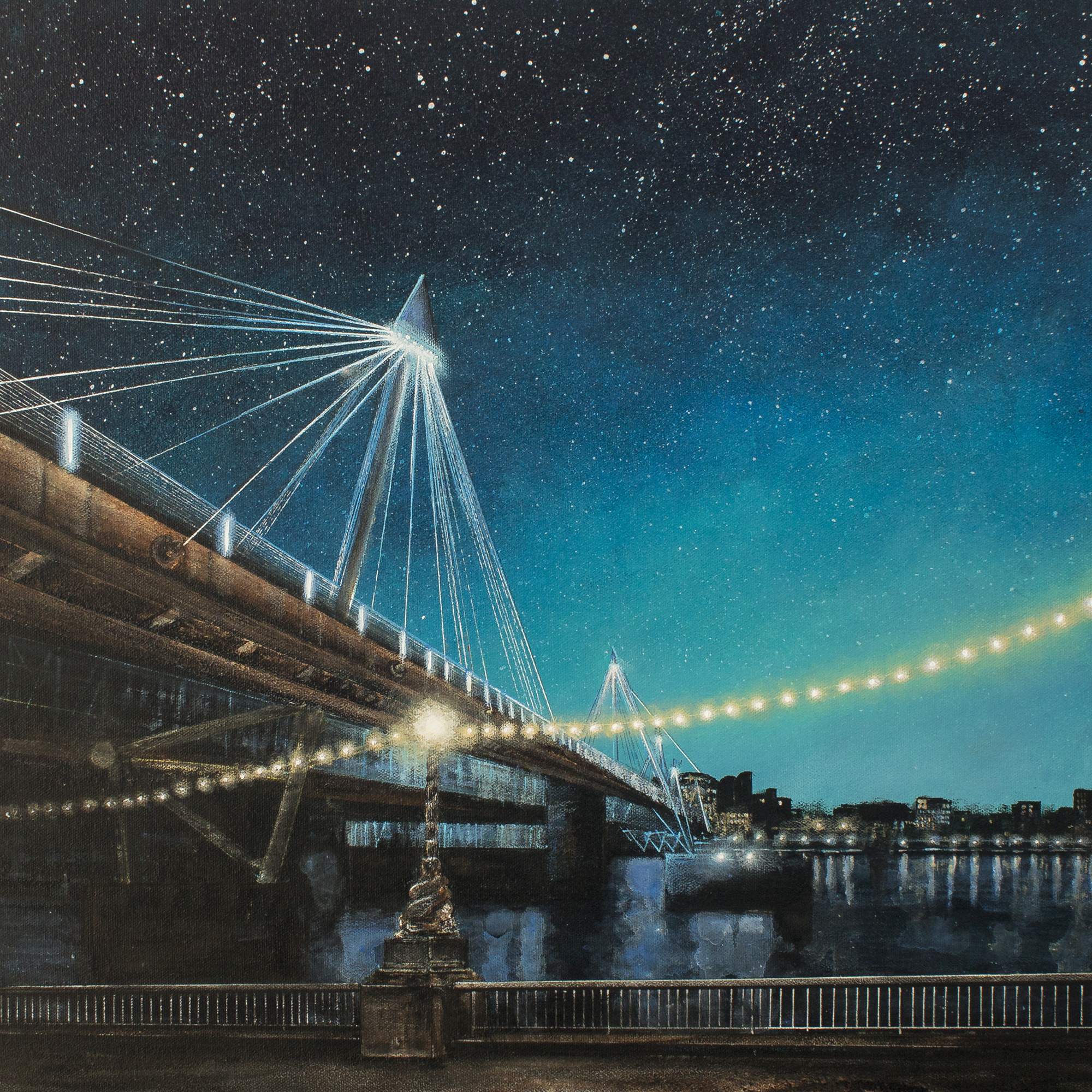
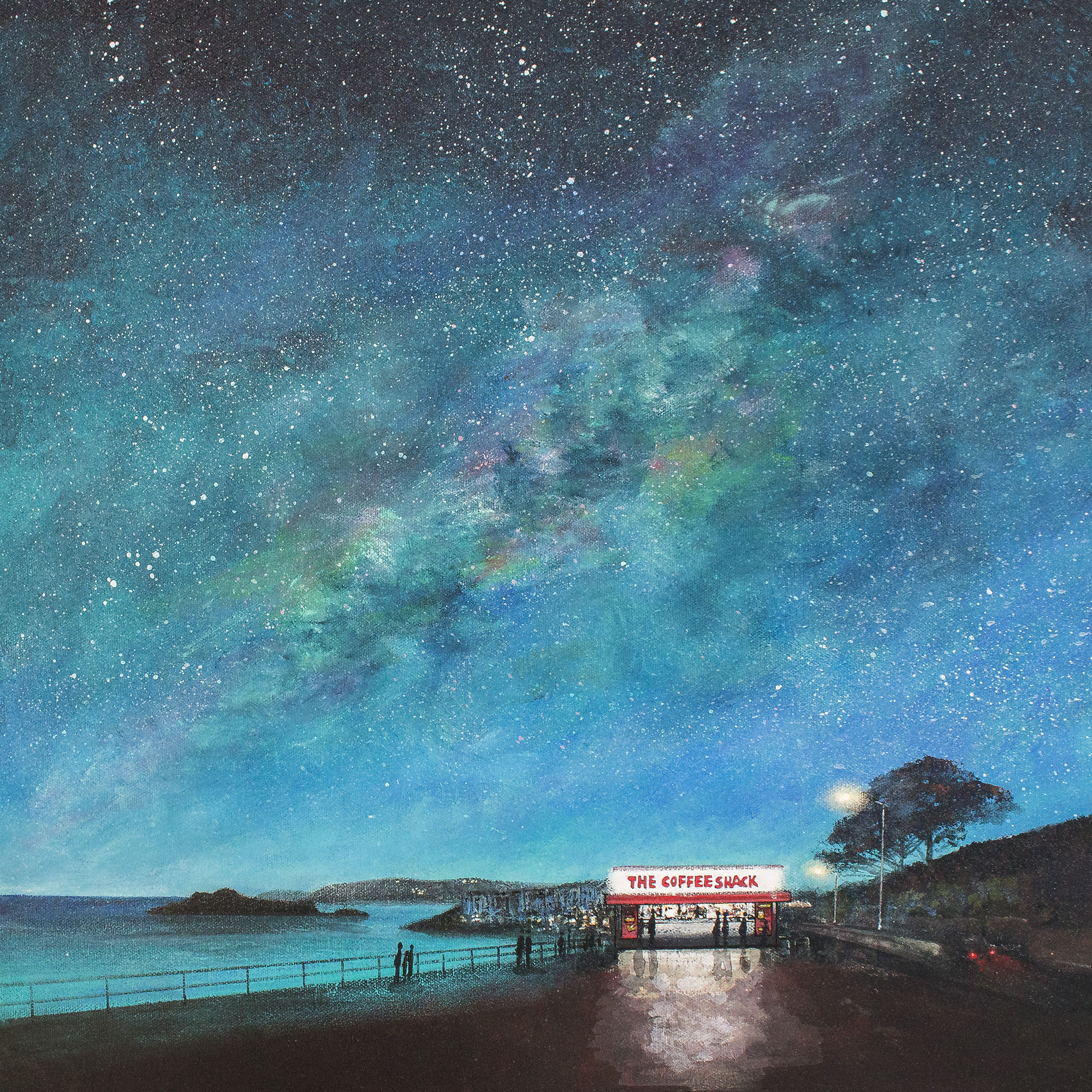
Diane - At the moment I'm developing a new body of work based around
Cornwall, continuing to explore The Colour of Night and the shared
experiences hidden within familiar places.
Artistically, I'm particularly interested in pushing my mark-making
further. I'm becoming less interested in describing every detail and more
interested in suggestion, allowing individual marks, layers and textures to
work together from a distance while revealing something quite different when
you move closer.
I'm naturally a very organised person and I love having a plan, but I'm
beginning to realise that creatively I sometimes need the opposite. I need to
leave enough space for an unexpected photograph, conversation or idea to change
the direction I'm heading in. Driving Home itself began with one of
those little ideas, so perhaps the most exciting thing about what comes next is
that I don't entirely know yet.
Luke - If you could choose any Gallery in the UK to have this painting
displayed, which would it be and why?
Diane - This is a difficult one because Driving Home has already
found what I think is its perfect permanent home, the original painting was
eventually bought by the owner of the Texaco garage itself! I don't think I
could choose anywhere more appropriate for it to belong.
But if I could borrow it back for an exhibition, I'd dream big. I'd love
to see it displayed in a major UK gallery or museum as part of an exhibition
exploring contemporary everyday life and the places and experiences we
sometimes overlook.
Luke - Your work often focuses
on familiar, everyday places after dark. What draws you to subjects that other
people might overlook?
Diane - I've become fascinated by the idea that we've somehow created an
unwritten hierarchy of what is 'worthy' of being painted. Nobody questions a
beautiful coastline or cathedral hanging on a gallery wall, but a petrol
station, supermarket or bus stop can still make people do a double-take.
It's changed the way I look at the world too. Instead of asking, 'Is
this an interesting place?', I now ask, 'What's interesting about this place?'
Light might provide the answer, or an unexpected juxtaposition, reflection or
little human story.
My job isn't to invent beauty where none exists. It's simply to slow
people down long enough to notice what was there all along.
Luke - What are you going to
spend your £500 winnings on?
Diane - Canvases! I already regularly use GreatArt's Gerstaecker Studio
2 canvases, so I'll definitely be stocking up. I'm also going to use the
opportunity to try some different canvas ranges and, of course, there'll be
some new paint involved too. The whole prize will be going straight back into
creating more artwork, although I suspect £500 of art materials will disappear
remarkably quickly!
Luke - Finally, what would you say to
anyone who is thinking about entering an art competition but is nervous about
putting their work forward?
Diane - Enter it! You genuinely don't know where pressing that submit
button might lead.
When I was creating Driving Home, I felt almost apologetic
explaining to friends and family why on earth I was painting a petrol station!
By the time I entered it, though, I was proud that I'd created something
different and felt it was probably my strongest competition entry yet. Even so,
my expectations were low, I distinctly remember wondering how on earth I was
going to sell a painting of a petrol station if it was rejected.
That painting went on to win the People's Choice Award at The British
Art Prize, open doors I could never have anticipated and, two years later, win
GreatArt's 25th Birthday Competition.
Competitions are unpredictable and rejection is part of being an artist,
but don't reject your own work before anyone else gets the opportunity to see
it. Sometimes the painting you're most nervous about putting forward is exactly
the one that needs to be seen.
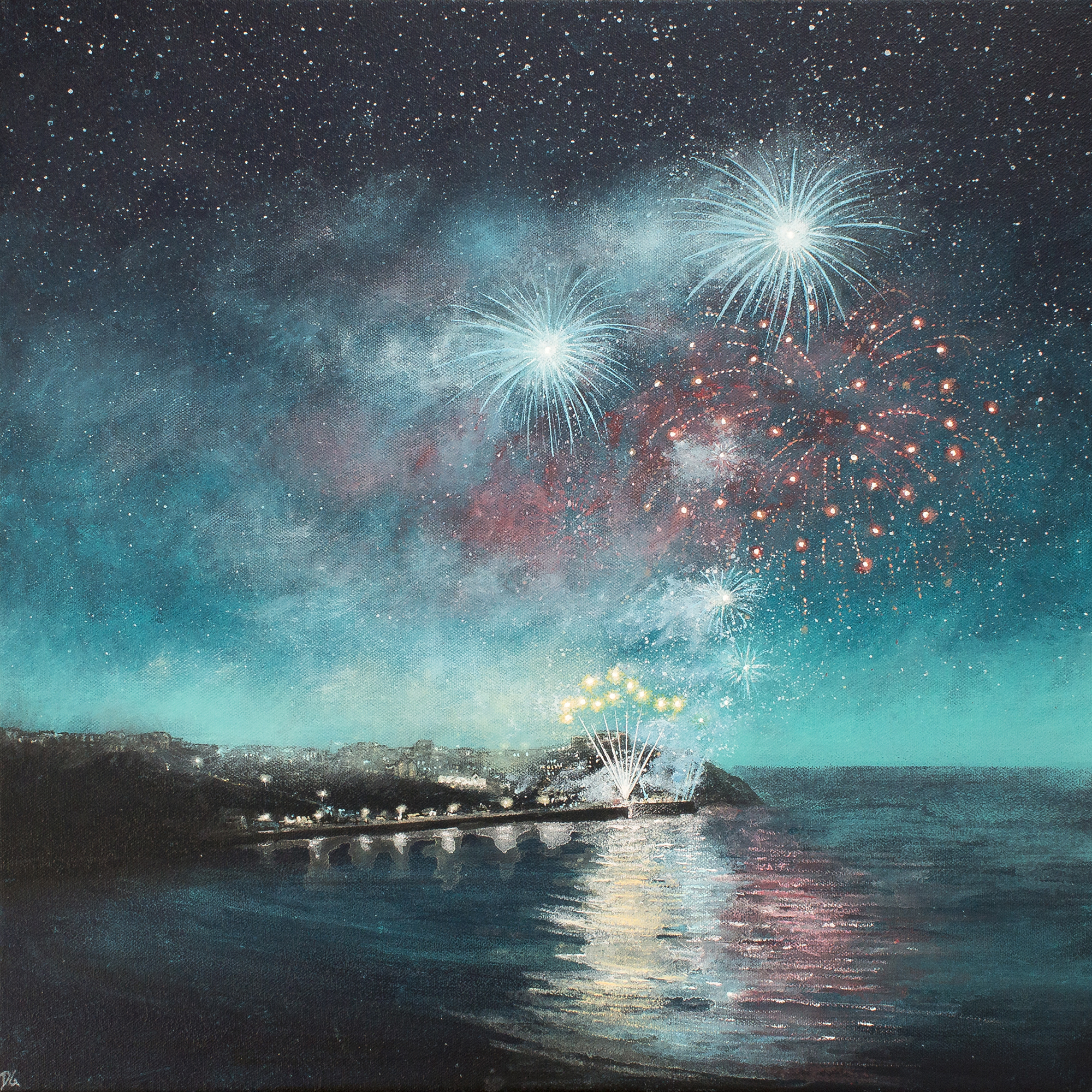
Please feel free to follow Diane on here social media channels;
Instagram - @dianegriffithsart
Facebook - @dianegriffithsart
Website; www.dianegriffithart.com